· Money & power
Nvidia's CEO resigns
Jensen Huang co-founded Nvidia and ran it for 33 years. Its chips train almost every major AI model. In two weeks, a news report about a personal relationship turned into a national security question and ended his run.
What happened
On October 29, the New York Times reported that Huang had a close relationship with a businesswoman tied to Megaspeed, a big buyer of Nvidia chips in Southeast Asia, and that U.S. officials had concluded she was working for Chinese intelligence. That part is an allegation: it has not been proven in court, and Nvidia's board said it has no reason to believe national security was compromised.
Things moved quickly from there. Lawmakers demanded a briefing. On November 8, Huang told employees he had been unfaithful to his wife and said he was still fully committed to the company. The board said it had confidence in him, and also opened an investigation into whether he had been the target of a foreign intelligence effort. More reports followed. On November 12, Nvidia announced he had resigned as president, CEO and board member, effective immediately.
Why one company matters so much
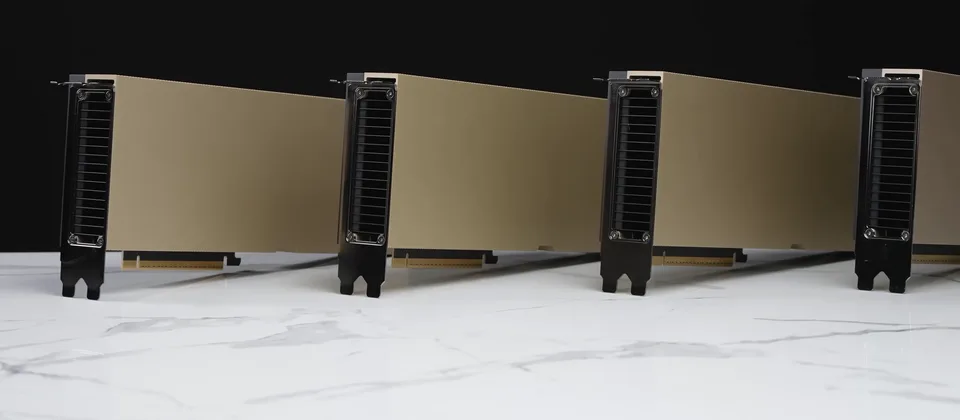
Nvidia designs graphics processing units, or GPUs. They were built to draw video game graphics, which means doing thousands of small math problems at the same time. Training an AI model is the same kind of work, so almost every big AI lab runs on Nvidia chips. That is how a company that started out making gaming cards became one of the most valuable companies in the world.
What is still unknown. Whether the businesswoman worked for Chinese intelligence has not been shown in public. Nvidia's board is still investigating, and the company is still searching for a permanent CEO. This story is still unfolding, so expect it to change.
Step through it · two weeks, six beats
- Oct 29The New York Times reports the relationship and what U.S. officials concluded about it.
- Nov 5House lawmakers ask Huang for a briefing, citing national security.
- Nov 8Huang confirms to employees that he was unfaithful. The board backs him and opens an investigation.
- Nov 9The stock opens down more than 7%. Huang cancels speaking appearances.
- Nov 11More reports. A congressman sets an end-of-day deadline to answer or face a subpoena. The board meets.
- Nov 12Nvidia announces the resignation and starts a search for a permanent CEO, inside and outside the company.
Try it · confirmed or alleged?
Good news readers keep two piles: what someone has confirmed on the record, and what is only reported or claimed. Sort these.
Huang resigned as CEO of Nvidia.
Confirmed. Nvidia announced it in its own press release on November 12.
The businesswoman was working for Chinese intelligence.
Alleged. News reports say U.S. officials concluded this. Nothing has been proven publicly.
Huang was unfaithful to his wife.
Confirmed, by Huang himself, in his statement to employees on November 8.
Company secrets were passed to China.
Not even alleged as fact. An analyst quoted by Al Jazeera said there is no established evidence that secrets were compromised.
Who's affected
Anyone who owns Nvidia stock, which includes millions of people through retirement and index funds: the stock opened about 11% lower on resignation day. Every AI lab that runs on its chips, which is nearly all of them. And the long fight over selling advanced chips to China, where Huang was the industry's loudest voice.
For the techies
Nvidia's lead isn't only fast hardware. Most AI software is written for CUDA, the programming toolkit Nvidia launched in 2007, so switching to a rival chip often means rewriting code. That software moat is why a change at the top of Nvidia gets watched as closely as a new chip.