You know how the machine works. Now zoom out: which jobs it touches, who actually uses it, who builds it, what people are afraid of, and why the next big step has arms and wheels. Every stop has something to try, and every number has a source you can click.
In 2025, Microsoft researchers read 200,000 real conversations people had with Bing Copilot and matched them to the work tasks of hundreds of U.S. jobs. The score says how much of a job's work AI is already helping with. Guess first.
Which job overlaps more with what AI already does?
170Mnew jobs created worldwide by 2030, while 92M are displaced. Net: +78M.World Economic Forum, Future of Jobs Report, Jan 2025 ↗22%of today's jobs will be disrupted (created or destroyed) by 2030. Fastest shrinking: cashiers, administrative assistants and graphic designers.World Economic Forum, Jan 2025 ↗−13%The one to notice at 17: employment for 22 to 25 year olds in the most AI-exposed jobs fell 13% compared with less exposed jobs. Older workers in the same jobs held steady.Brynjolfsson, Chandar & Chen, Stanford, Aug 2025 ↗41%of employers plan to shrink their workforce where AI automates tasks. The same report says the fastest growing jobs include farmworkers, delivery drivers, builders, nurses and teachers.World Economic Forum, Jan 2025 ↗
Stop 02 · Users
Asking vs. working
Almost everyone has tried a chatbot. Far fewer pay for one and put it to work. Before you look: out of every 100 people who use AI, how many do you think pay for it?
A handful of companies make the models almost everyone uses. Tap each card to meet the people behind it. Numbers are the latest the company announced, with the date.
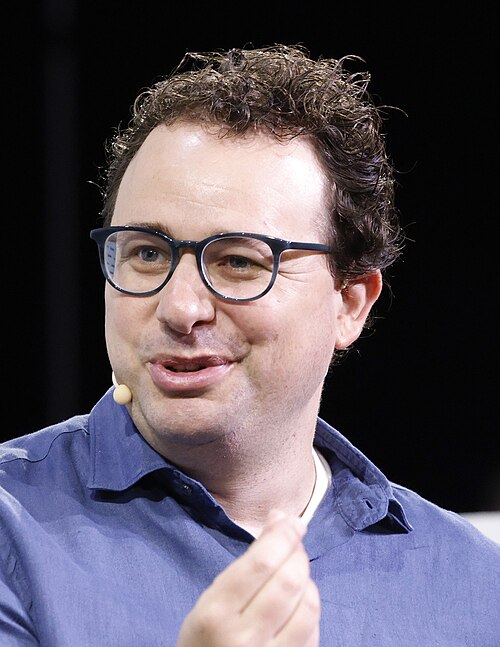
Sam AltmanCEO
Started in 2015 as a nonprofit research lab. Wikipedia ↗
900 million people use ChatGPT every week (Feb 2026). TechCrunch ↗
Valued at $852 billion in March 2026. TechCrunch ↗
Dario AmodeiCEODADaniela AmodeiPresident
Founded in 2021 by siblings Dario and Daniela Amodei and other former OpenAI researchers, with AI safety as its focus. Wikipedia ↗
Valued at $965 billion after raising $65 billion (May 2026), with revenue running at $47 billion a year. Anthropic ↗
Full disclosure: Claude, made by Anthropic, helped build this website.
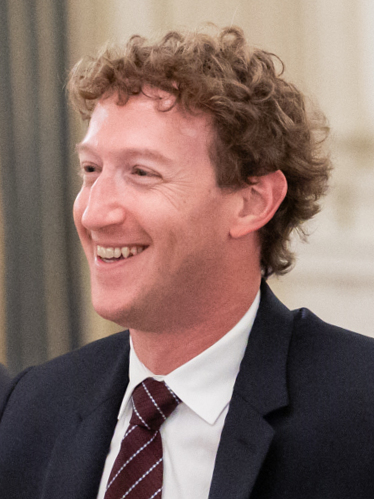
Demis HassabisCEO, Google DeepMindSundar PichaiCEO, Google
DeepMind started in London in 2010; Google bought it in 2014. Wikipedia ↗
Hassabis shared the 2024 Nobel Prize in Chemistry for AlphaFold, an AI that predicts protein shapes. Nobel Prize ↗
A chatbot is a program. It runs on computers in a data center and sends words to your screen. It has no hands. On its own, it can't open a door, pick something up or hurt you physically.
But software still matters
When AI causes harm today, it travels through screens and the people who believe them: cloned voices on scam calls, fake videos, made-up facts that someone trusts. That's why the Learning Lab teaches you to check AI's work.
$893Mlost by Americans to scams that used AI in 2025, across 22,364 complaints to the FBI. Real losses are likely higher.FBI, 2025 Internet Crime Report ↗
Brain only, or does it need a body?
Sort each task. Can software alone do it, or does AI need a robot body?
To change the physical world, AI needs a body. That's why robotics is the big push.
Stop 06 · Robots
AI gets a body
Robots are how AI reaches into the real world: factories, warehouses, streets and maybe one day your kitchen. Here's where they actually are right now.
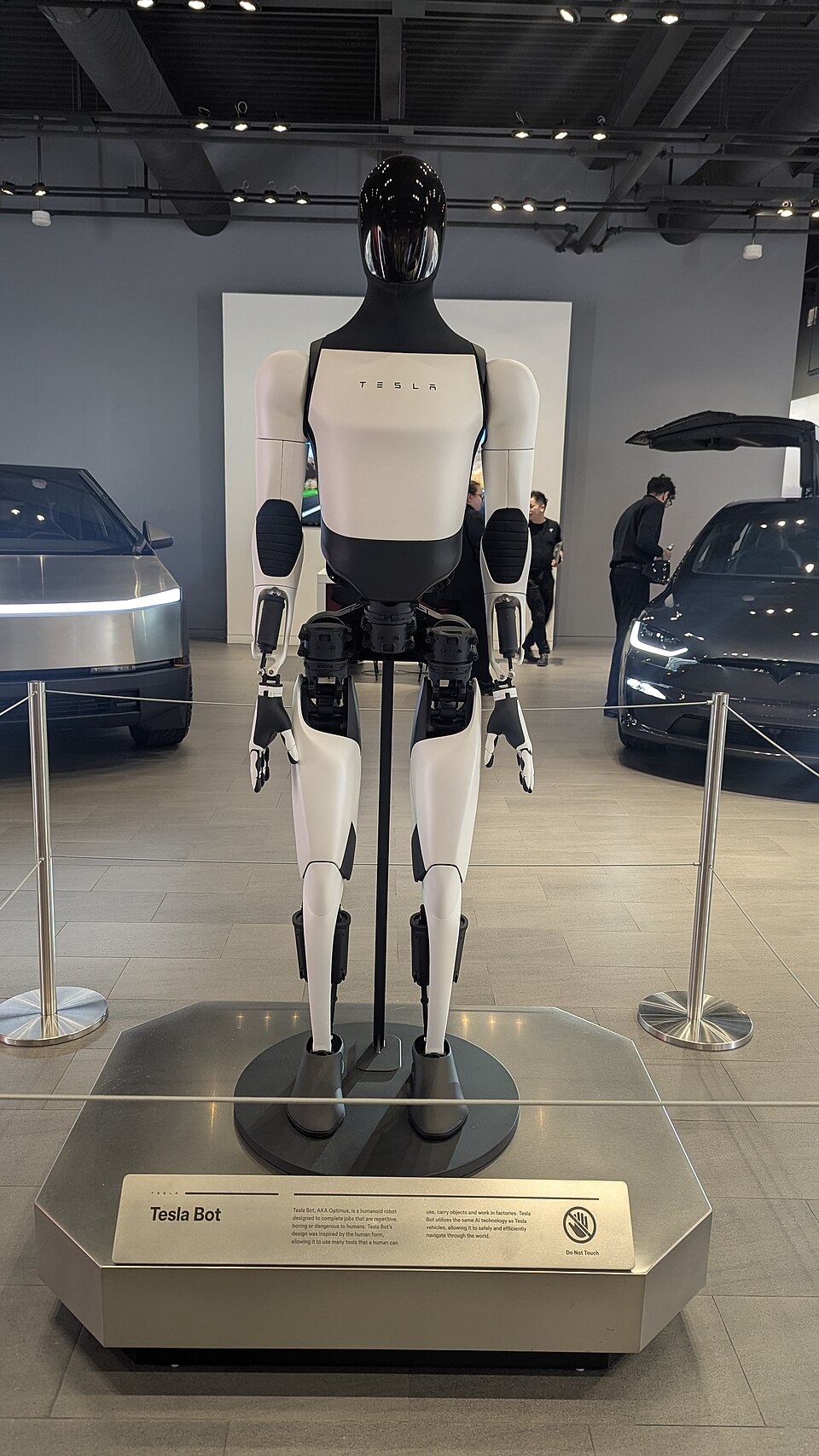
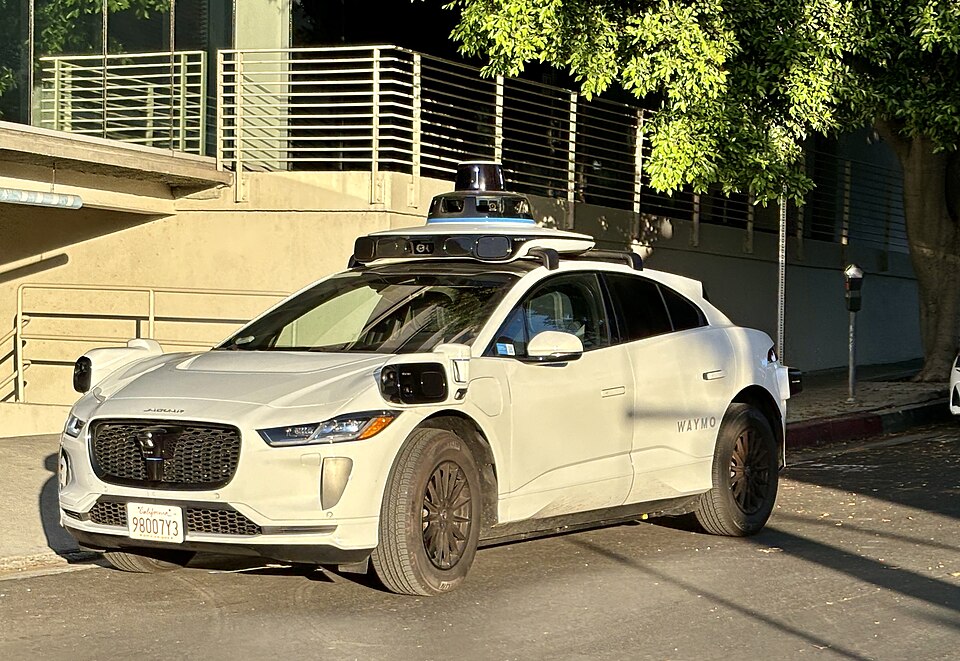
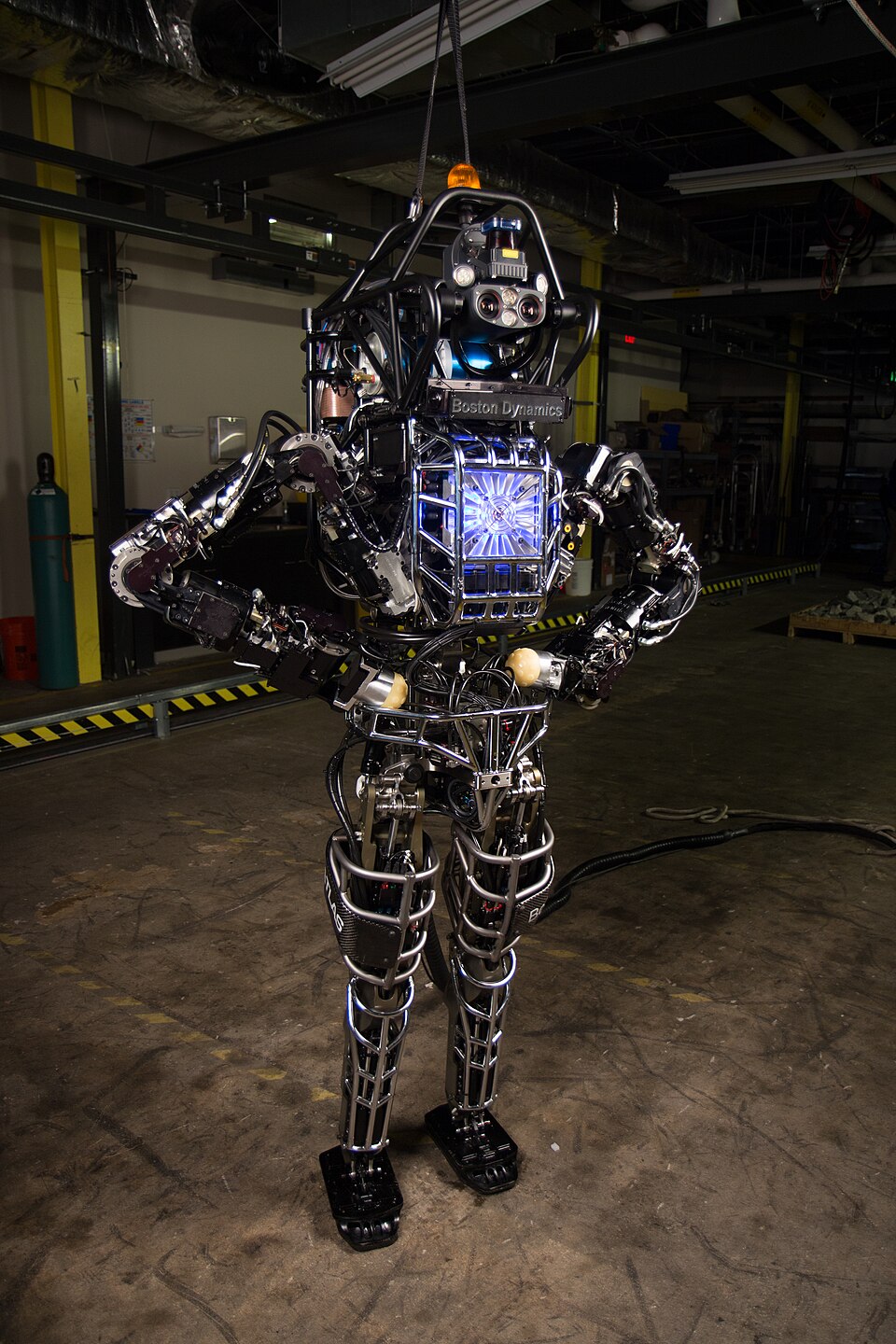
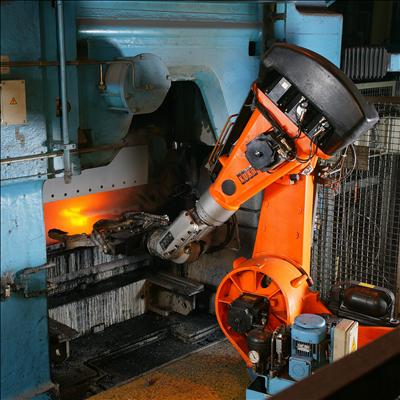
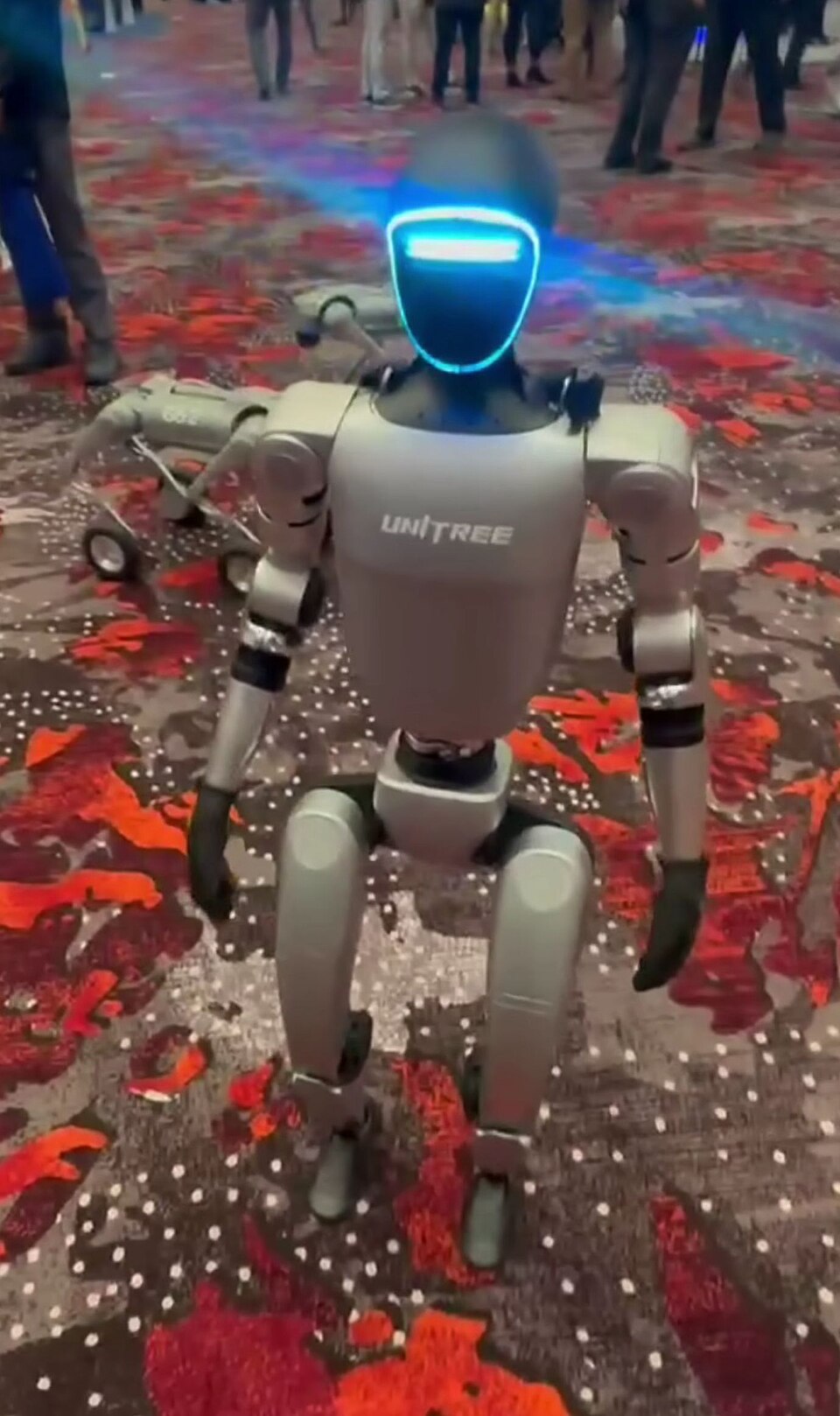
Tesla Optimus, a humanoid robot, on display in a Tesla showroom.A Waymo robotaxi in Los Angeles. No one in the driver's seat.An early Atlas by Boston Dynamics, built for a DARPA rescue challenge.A factory robot arm, the most common robot on Earth.A Unitree G1. Unitree sold the most humanoids in 2025.
New factory robots installed in 2024. Tap a country.
542,000 robots were installed worldwide in 2024, and 4.66 million are at work right now.
500Kpaid Waymo robotaxi rides every week across 10 U.S. cities, up tenfold from 50,000 in May 2024.TechCrunch, Mar 2026 ↗13K–18Khumanoid robots sold worldwide in 2025, nearly 90% of them Chinese. Unitree sold about 5,500; Tesla, Figure and Agility about 150 each.Rest of World, citing Omdia and IDC, Feb 2026 ↗700K+factory robots a year expected to be installed by 2028.IFR, Sept 2025 ↗
Reality check
Researchers asked: of all the physical tasks in U.S. jobs, how many can today's robots do? Then: how many can they do cheaper than a person?
Robots can do?
Cheaper than a person?
Robots can already do 74% of physical tasks (often only in a controlled space like a factory line), but they're cheaper than a worker for just 0.3% of tasks. If robot prices keep falling at their past pace, it would take about 40 years to reach 10%. Taxi and other driving jobs are the most exposed.
Words first, hands later. AI overlaps most with jobs made of reading, writing and answering. Hands-on jobs in messy places are the safest for now.
Entry-level is where it shows. The first measured drop is in young workers' jobs. Skills that AI can't fake (judgment, checking, people) are your edge.
Most people only ask. Hundreds of millions chat with AI; a few percent pay for it and put it to work. Learning to do real work with it is a head start.
A few companies, huge stakes. Firms worth close to a trillion dollars each are racing to build it. Know who they are and what they want.
Bodies are next. Software can't touch the world. Robots can, and they're spreading, slowly, because they're still expensive.
Sources
Every number on this page comes from one of these. Dates are when the data was published or collected. Numbers about fast-moving companies go out of date quickly, so check the date.